
Hydraulic Gear Pump OEM & ODM Manufacturing
From Reference-Based Design to Stable Mass Production
OEM & ODM Manufacturing Capability
Fairydeer supports OEM manufacturing and ODM development for hydraulic gear pumps, covering engineering validation, prototype development, and scalable mass production programs.
Project Approaches Based on Development Objectives
OEM Manufacturing
Reference-Based Production
Best for: Existing systems, replacement supply, stable long-term sourcing
Project Inputs:
-
OEM part numbers or samples
-
Existing interface and installation conditions
-
Known operating ranges
Engineering Focus:
-
Interface matching
-
Manufacturing process control
-
Batch consistency
Typical Output:
-
Compatible production units
-
Stable supply programs
ODM Development
Engineering-Led Customization
Best for: New platforms, performance upgrades, system redesign
Project Inputs:
-
Target operating requirements
-
Installation space constraints
-
Performance objectives
Engineering Focus:
-
Structural design optimization
-
Performance tuning
-
Durability strategy
Typical Output:
-
Customized pump design
-
Validated production specifications
Project Comparison by Key Technical Factors
| Project Dimension | OEM Manufacturing | ODM Development |
| Starting Point | Reference samples or OEM specs | System requirements & performance targets |
| Design Involvement | Limited | Full engineering participation |
| Structural Changes | Not required | Often required |
| Performance Optimization | Not typical | Core project objective |
| Validation Scope | Production consistency checks | Functional & durability validation |
| Development Lead Time | Shorter | Longer |
| Best For | Replacement & sourcing programs | New system platforms & upgrades |
Regardless of project type, both OEM and ODM programs follow structured engineering validation and controlled manufacturing processes.
Customization Scope & Technical Interfaces
Customization is not limited to dimensional changes.Engineering variables are reviewed and defined at system level to ensure functional compatibility, durability, and production stability.
Interface & Installation Engineering
System Compatibility First
- Mounting standards and drive shaft configurations
- Port orientation, sealing types, and connection standards
- Installation envelope and space constraint
Hydraulic Performance Definition
Matched to Operating Profiles
- Flow capacity definition based on system flow demand
- Continuous and intermittent operating load profiles
- Efficiency and leakage control strategy
Structural & Durability Design
Built for Service Life Targets
- Housing material and wear component selection
- Bearing and bushing system configuration
- Surface treatment and hardness specification
Noise & Stability Optimization
For Sensitive Hydraulic Systems
- Flow ripple control approaches
- Structural vibration reduction strategies
- Noise-sensitive system adaptation
Stage Objective:
Confirm scope, interfaces, and production feasibility before development starts.
Key Activities:
-
Translate system conditions into pump targets
-
Confirm installation and interface compatibility
-
Evaluate manufacturing feasibility and material readiness
OEM vs ODM Responsibilities:
| Item | OEM Manufacturing | ODM Development |
| Starting Point | OEM reference part or sample | System requirements and target performance |
| Interface Data | Fixed, based on existing equipment | Defined based on installation constraints |
| Risk Focus | Supply continuity and compatibility | Design feasibility and performance targets |
| Engineering Input | Verification-oriented | Design and optimization-oriented |
Deliverables
-
Requirement summary
-
Interface checklist
-
Feasibility conclusion
Gate
Project proceeds only after scope and feasibility are approved.
Stage Objective:
Align product design with stable manufacturing processes.
Key Activities:
-
Define structure, materials, and tolerances
-
Plan machining and assembly routes
-
Identify critical process control points
OEM vs ODM Responsibilities:
| Item | OEM Manufacturing | ODM Development |
| Design Changes | Not allowed or minimal | Structural and performance optimization |
| Tolerance Strategy | Match reference design | Defined based on performance & durability |
| Process Planning | Replicate proven route | New process route validation |
| Validation Focus | Consistency with reference | Performance vs design targets |
Deliverables:
-
Design specification
-
Preliminary process flow
-
Control point definition
Gate:
Design and process routes must be reviewed and approved before prototyping.
Stage Objective:
Verify manufacturability and early performance.
Key Activities:
-
Build prototypes using production-intent equipment
-
Validate assembly sequence and tolerance stack-up
-
Identify early quality risks
OEM vs ODM Responsibilities:
| Item | OEM Manufacturing | ODM Development |
| Prototype Purpose | Verify production consistency | Verify design concept and performance |
| Build Method | Same as production | Production-intent with engineering tuning |
| Evaluation Focus | Assembly stability | Functional performance + assembly |
| Change Frequency | Very limited | Allowed with formal revision |
Deliverables:
-
Prototype build record
-
Dimensional and assembly feedback
Gate:
Prototype must demonstrate stable build conditions.
Stage Objective
Confirm that performance targets are met under defined conditions.
Key Activities
-
Flow, pressure, and efficiency validation
-
Noise and stability checks when required
-
Risk items closure review
OEM vs ODM Responsibilities
| Item | OEM Manufacturing | ODM Development |
| Performance Target | Match reference level | Achieve defined system targets |
| Test Scope | Verification testing | Validation and optimization testing |
| Design Adjustment | Rare | Allowed with engineering review |
| Approval Criteria | Within reference tolerance | Meets defined design targets |
Deliverables
-
Test summary report
-
Risk closure confirmation
Gate
Design must meet performance targets before production prep.
Stage Objective
Verify batch consistency and process capability.
Key Activities
-
Pilot batch run on production lines
-
Yield and variation review
-
Process parameter tuning
OEM vs ODM Responsibilities
| Item | OEM Manufacturing | ODM Development |
| Batch Size | Small pilot for verification | Pilot with engineering observation |
| Process Changes | Minor optimization only | Process & design fine-tuning allowed |
| Evaluation Focus | Yield stability | Performance + yield stability |
| Customer Involvement | Sample approval | Sample and test report review |
Deliverables
-
Pilot run report
-
Final process parameters
Gate
Stable yield required for production release.
Stage Objective
Freeze design and process before mass production.
Key Activities
-
Final drawing and BOM release
-
Process documentation confirmation
-
Training and line readiness
OEM vs ODM Responsibilities
| Item | OEM Manufacturing | ODM Development |
| Design Status | Fully frozen | Frozen after validation |
| Process Status | Replication of pilot | Locked after pilot tuning |
| Change Control | Strict approval required | Strict approval required |
| Focus | Supply stability | Product & supply stability |
Deliverables
-
Released production package
-
Approved process documents
Gate
No changes allowed without formal approval.
Stage Objective
Ensure long-term stable supply and controlled change management.
Key Activities
-
Scheduled production planning
-
Batch traceability and issue tracking
-
Continuous improvement
OEM vs ODM Responsibilities
| Item | OEM Manufacturing | ODM Development |
| Production Mode | Repeat orders | Program-based supply |
| Engineering Support | As needed | Ongoing technical support |
| Improvement Focus | Cost and efficiency | Performance and durability |
| Change Requests | Customer-driven | Engineering-driven or customer-driven |
Deliverables
-
Stable delivery schedule
-
Continuous improvement feedback
Gate
Program enters long-term supply phase.
While the development and production release process ensures design and process readiness, long-term supply stability depends on continuous quality control throughout daily manufacturing operations.
Production Quality System
Consistent product performance relies on continuous quality monitoring and controlled inspection processes throughout daily manufacturing operations, not only during development stages.
①: Incoming Material Verification
- Supplier qualification and material specification control
- Batch identification and traceability
- Sampling inspection based on defined acceptance criteria

②: In-Process Quality Monitoring
- Key process parameter checks at critical operations
- Operator self-check and mutual inspection mechanis
- Process deviation reporting and escalation workflow
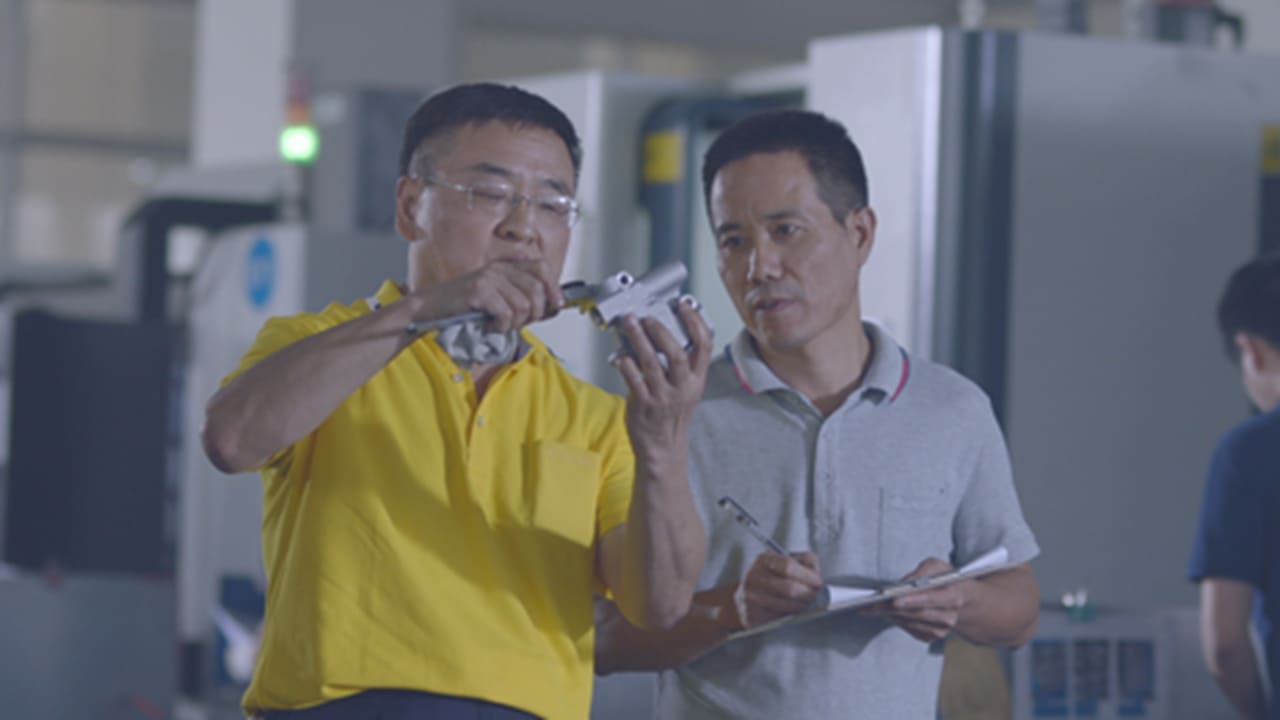
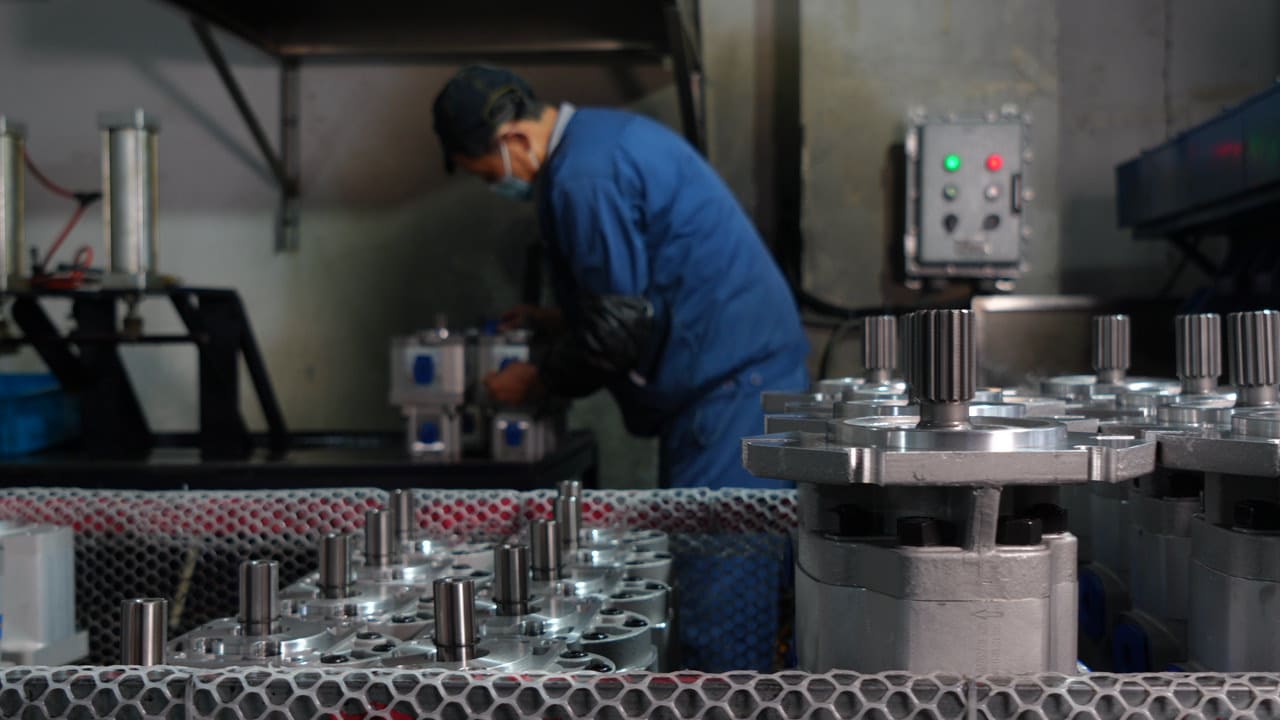
③: Assembly and Functional Verification
- Assembly torque and sequence control
- Leakage and basic functional checks after assembly
- Early detection of abnormal noise or vibration
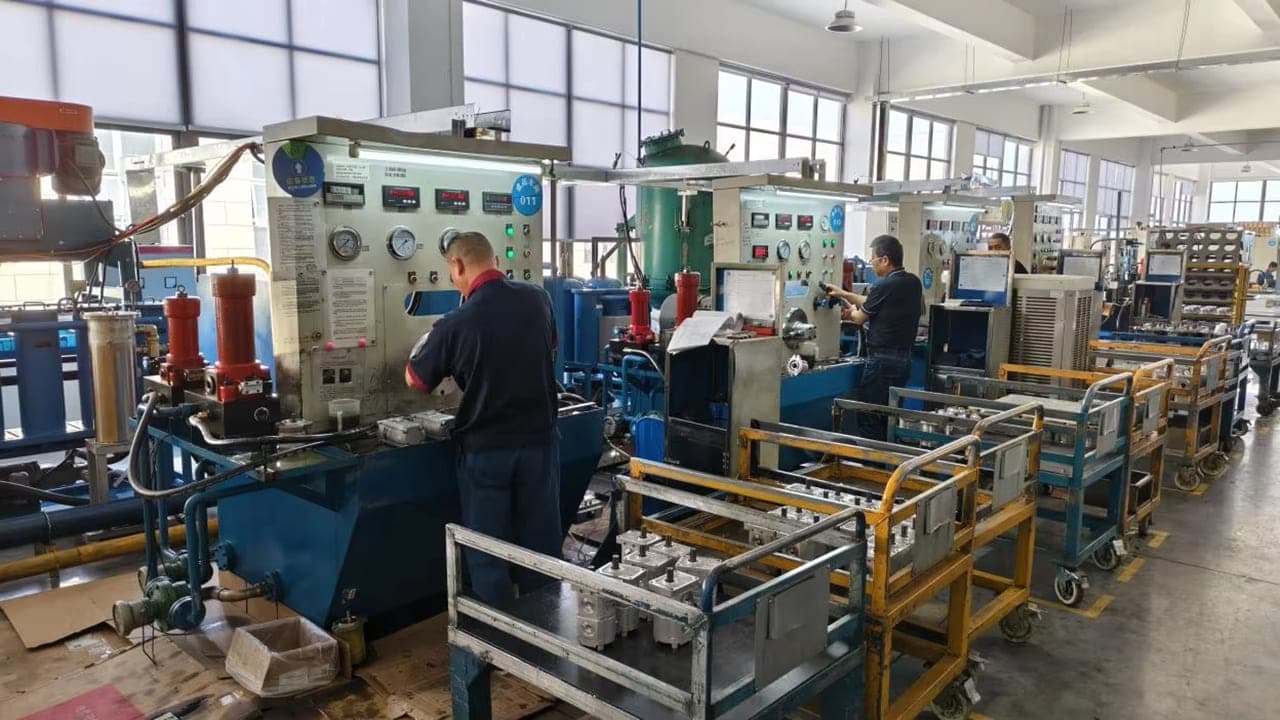
④: End-of-Line Performance Testing
- Flow, pressure, and efficiency testing
- Noise and stability testing when required
- Test records linked to production batches
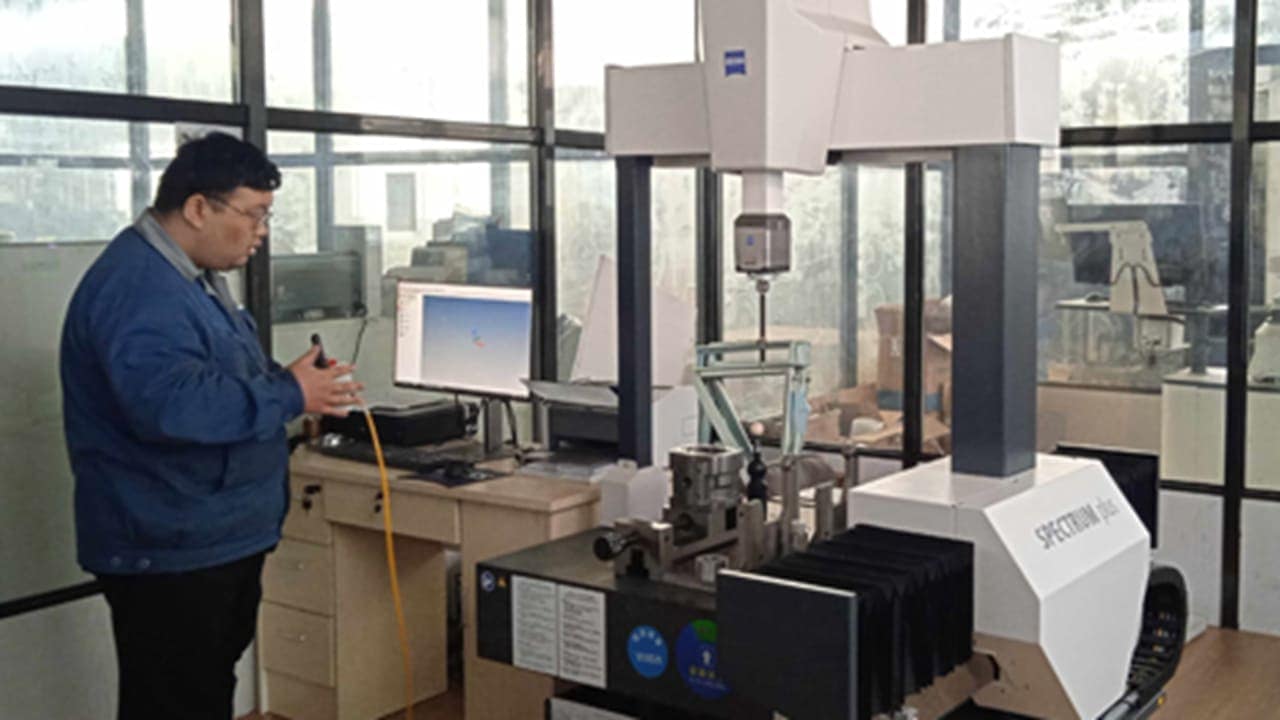
⑤: Traceability & Corrective Actions
- Batch traceability from material to finished product
- Root cause analysis for detected issues
- Corrective and preventive action implementation
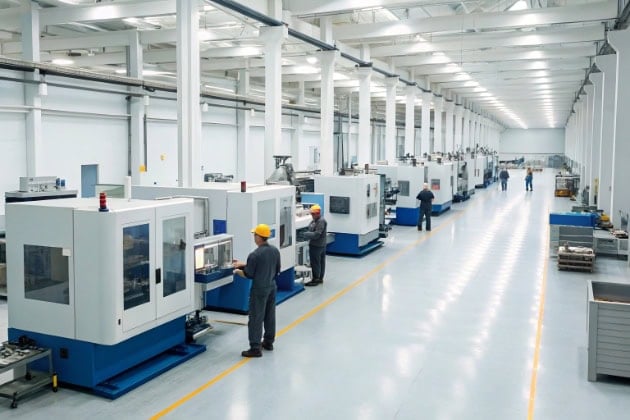
Quality Control in Practice
These examples illustrate how quality controls are implemented directly on the production floor, beyond written procedures and inspection plans.
Send us a message
If you have any questions or would like to book a session please contact us.
